

In the last 2 posts of this weekly newsletter, you were introduced to my framework for GTO Strategies. We talked about Mode of Thinking, Mode of Learning and Mode of Execution. I showed you my process for how to craft high level GTO strategies and how to effectively implement them at the tables.
Now I want to show you how that would look like in practice by reviewing a recent High Stakes hand between 2 of the best players in the world. The hand took place this year at a $10/$20 table on GG Poker, the highest publicly available limit on the site. Let’s dive into it.
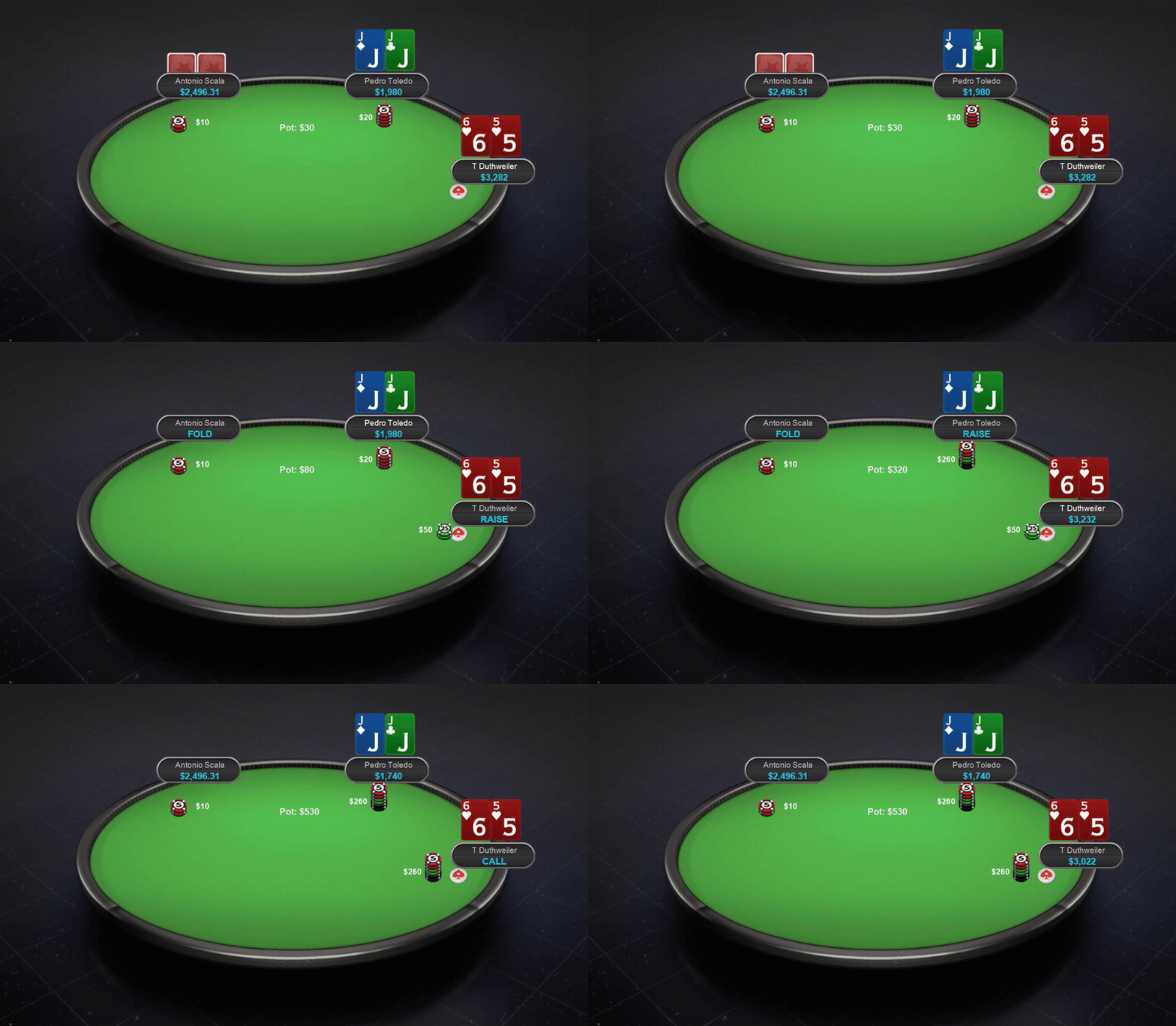
The hand starts off with Tobias Duthweiler, a long time high stakes pro opening to $50 (2.5bb) on the button with 65s. Pedro Toledo, a Metagame student and the biggest winner of this limit in 2025 (over $300k in winnings from Jan-Aug), 3bets from the Big Blind with JJ to $260 (13bbs). Tobias calls.
Not much to say about preflop other than to mention that Tobias’ call is not mandatory. In fact, solver would most of the time fold here with 65s. That said, calling is still part of equilibrium, and if you are as good as Tobias, you should probably call.
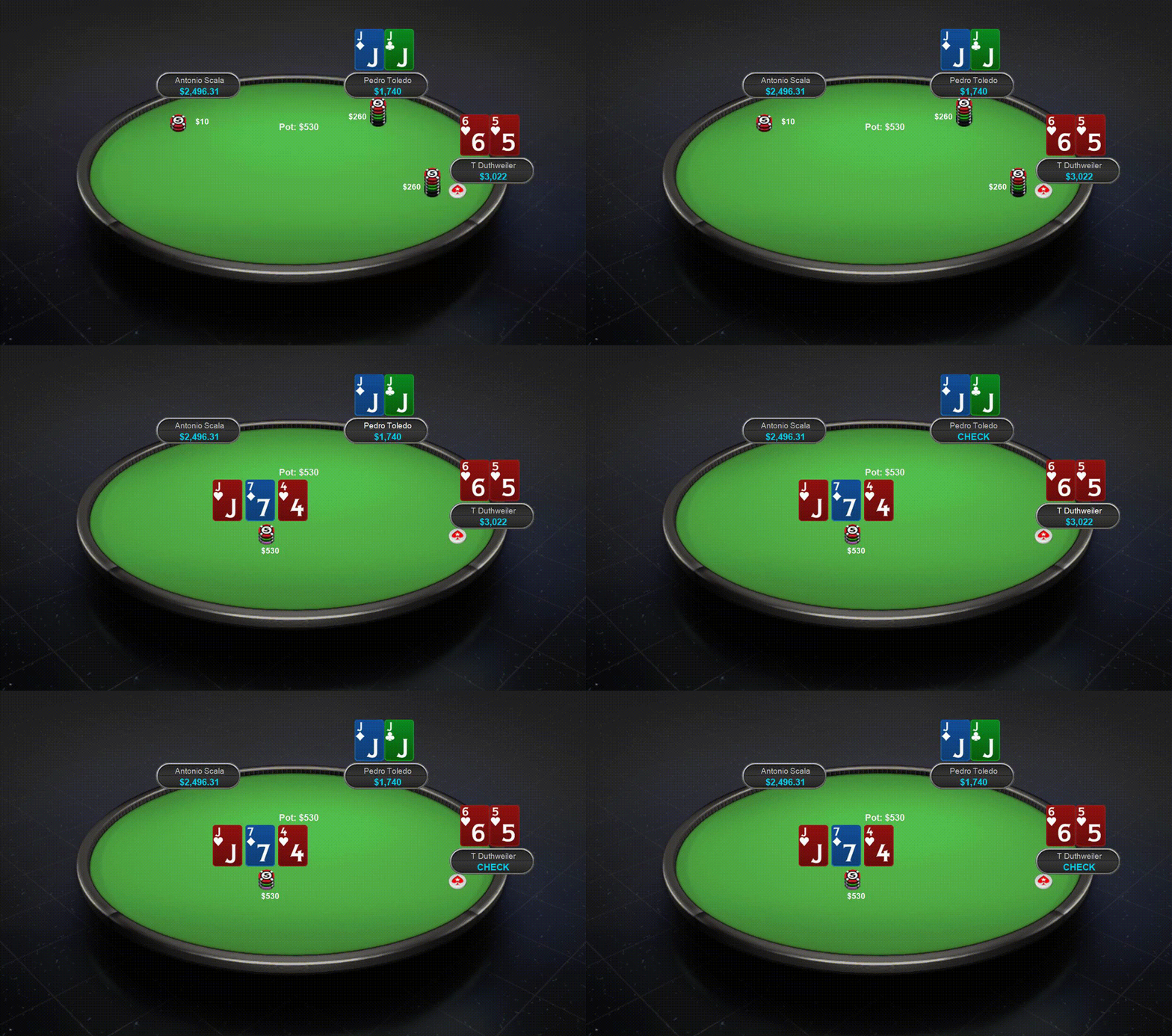
Flop is where things start to get very interesting.
Jh7d4h. Wow, what a flop. Top set for Pedro Toledo, and a combo draw for Tobias. We can already see the chips going into the middle super fast.
But that’s not what happens. Instead, we see a super anticlimatic check-check sequence. What happened here? To understand what is going on, you need to remind yourself of the Pillars of GTO strategy we discussed 2 weeks ago.
The #1 Pillar of GTO I told you about is slowplaying top of range. This is a necessary procedure you need to apply in your strategy to guarantee that your range is going to be balanced postflop. And Pedro Toledo knows this. If you always bet your strongest hands, your checking range becomes heavily unprotected, allowing your opponent to murder you with stabs. Your betting range may also become too strong, allowing your opponent to (correctly) overfold.
From my GTO studies of 3BP BB vs BTN, I know that on the flop cbet line, you are supposed to slowplay your sets and check the flop about 60% of the time.
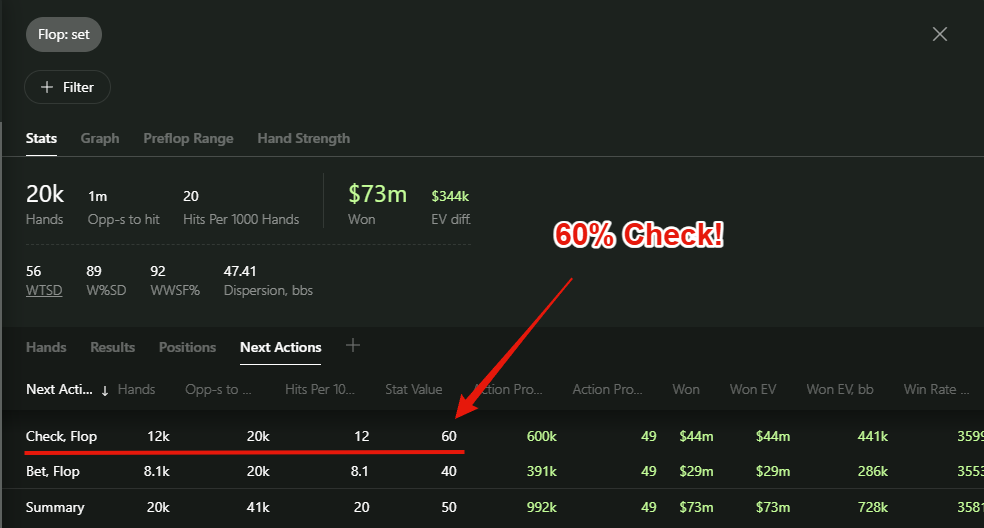
This frequency increases when we zoom in on specifically top set on J high or lower boards. This happens because on lower boards, you will typically size up in your betting strategy, which makes your blockers to your opponent’s continuing range very strong when you have top set (you heavily block top pairs). You don’t want to block your opponent’s continuing range when you have the nuts, so that contributes to higher slowplay frequency. On top of that, we also have the effect that on low boards, our broadway heavy range has a lot of overcard trash hands, which contributes to a higher bet-vs-missed-cbet frequency from our opponent if we check. If we are not getting called as often if we bet (because we are blocking calling range) and we will face a lot of bets if we check, then naturally we should slowplay a lot.
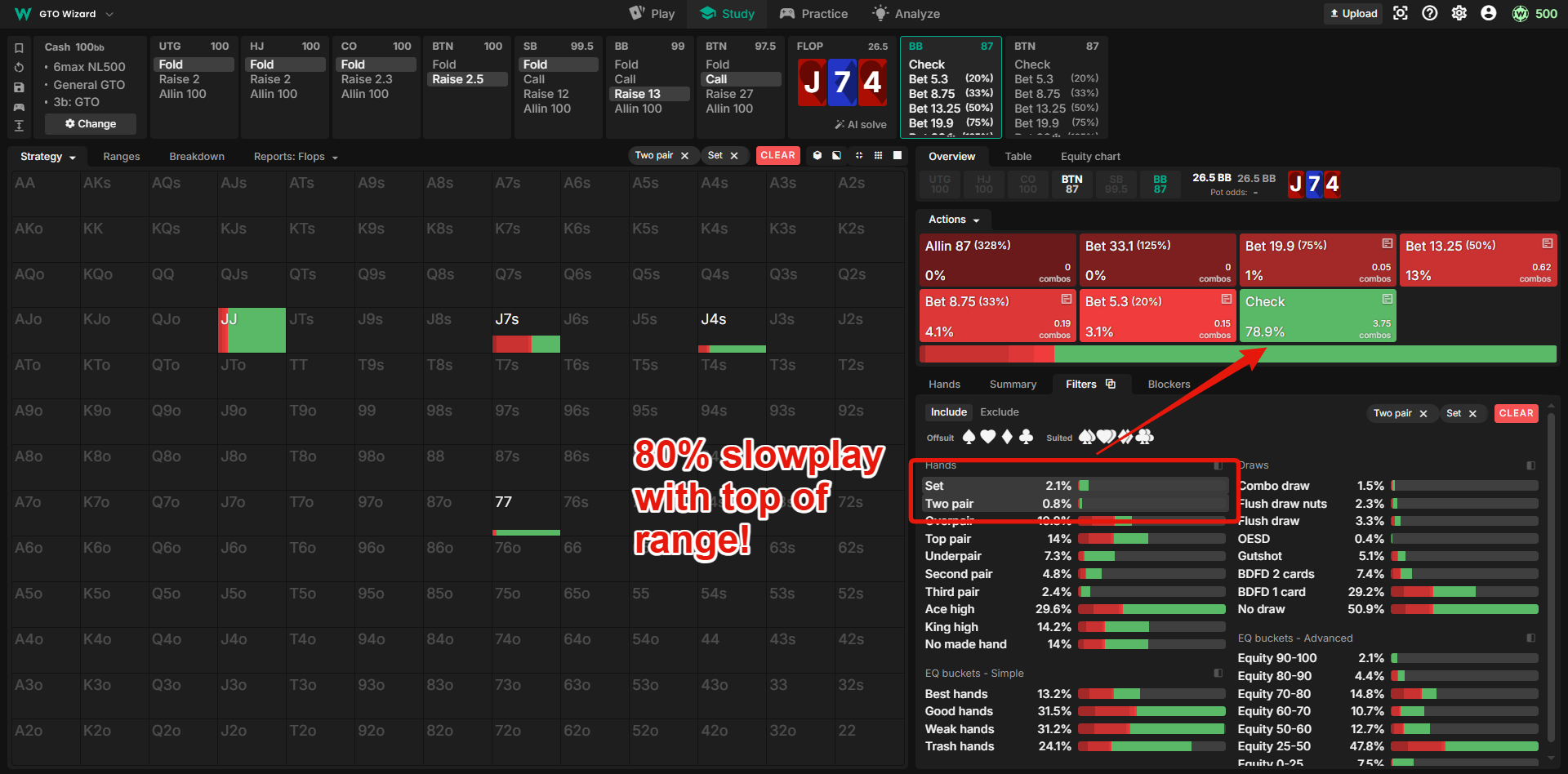
On this particular board, 2pair or better combinations slowplay 80% of the time, 20% more than the average 60% of all boards, and JJ is checking 85% of the time. Well done by Pedro Toledo.
Faced with OOP’s check on this board, 99% of players would take a stab into the pot with a combo draw hand. I’m pretty sure you, reading this right now, would bet in Tobias’ shoes.
But Tobias understands the #2 Pillar of GTO I shared with you 2 weeks ago – the necessity to mix it up with the draws.
We can’t fast play our draws all the time, if we want to be balanced, at least. Betting all of your draws when you have the opportunity makes your betting range too equity driven, and makes your checking range capped when the draw completes. You will lose money playing this way vs a competent opponent. To mitigate this problem, you need to learn the hand class frequency heuristics that will guarantee that you’re playing your draws appropriately, and that you have the correct proportions of high equity hands in all of your ranges.
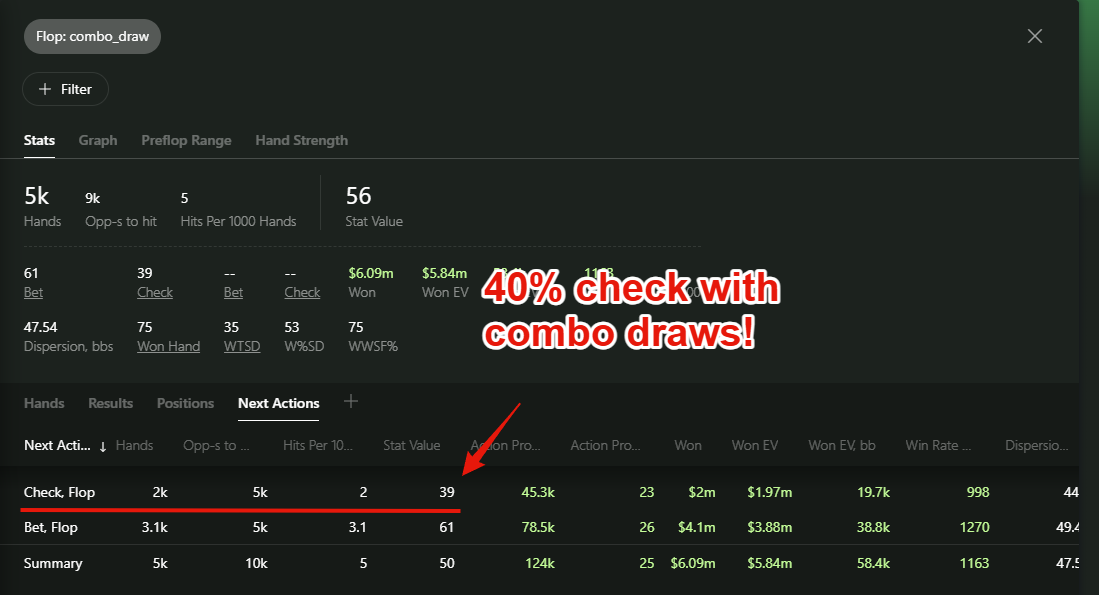
In this particular line – bet vs missed cbet BTN vs BB 3BP – GTO data shows that you should play a 60/40 split with your combo draws. This means that, on average across all board textures, if you have a combo draw as the BTN and you face a check, you should be checking back 4 out of 10 times.
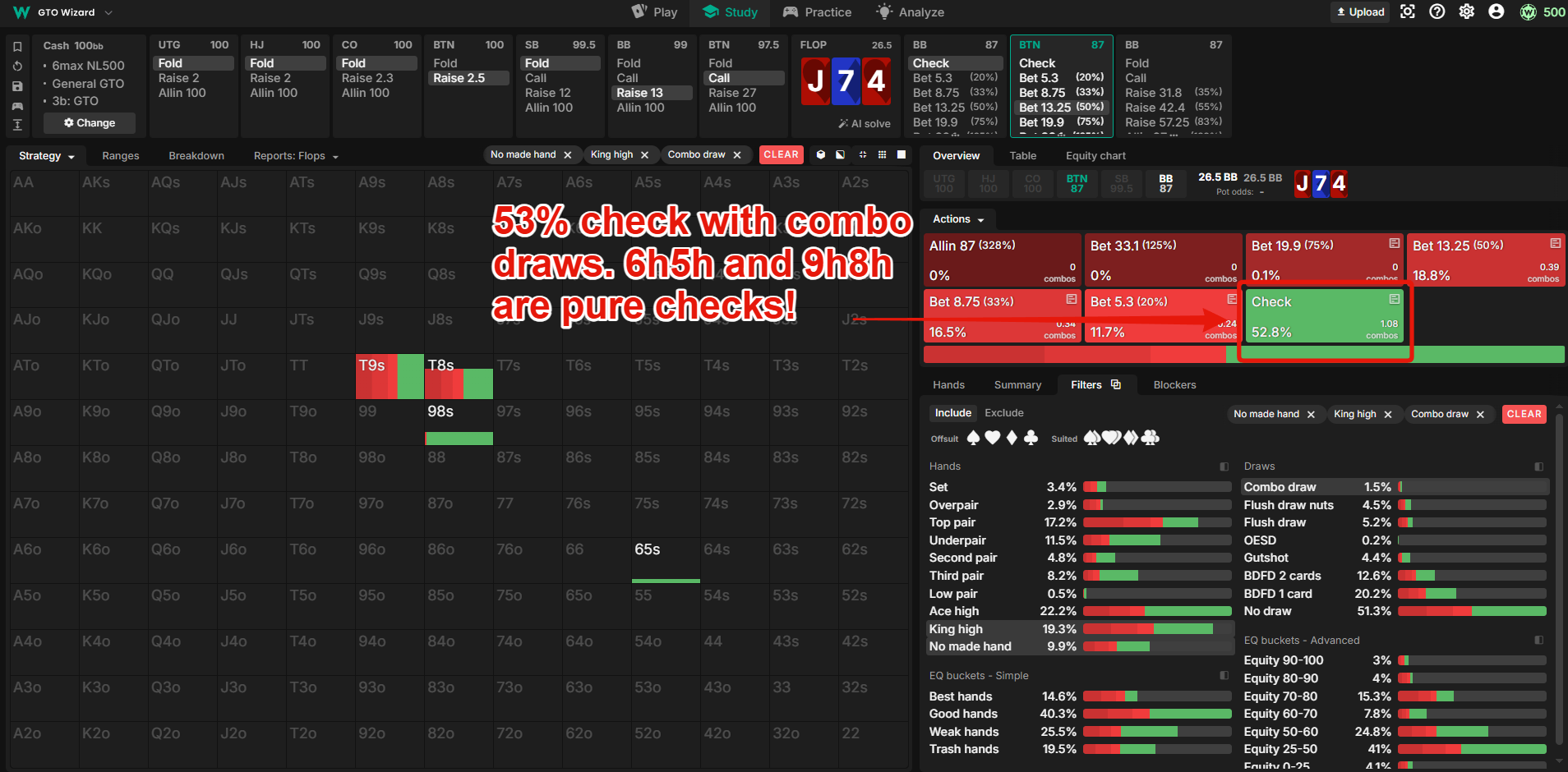
On this exact board, BTN should check back 53% of its combo draws (Th9h, Th8h, 9h8h and 6h5h). 98 and 65 are surprisingly pure checks. Well done by Tobias.
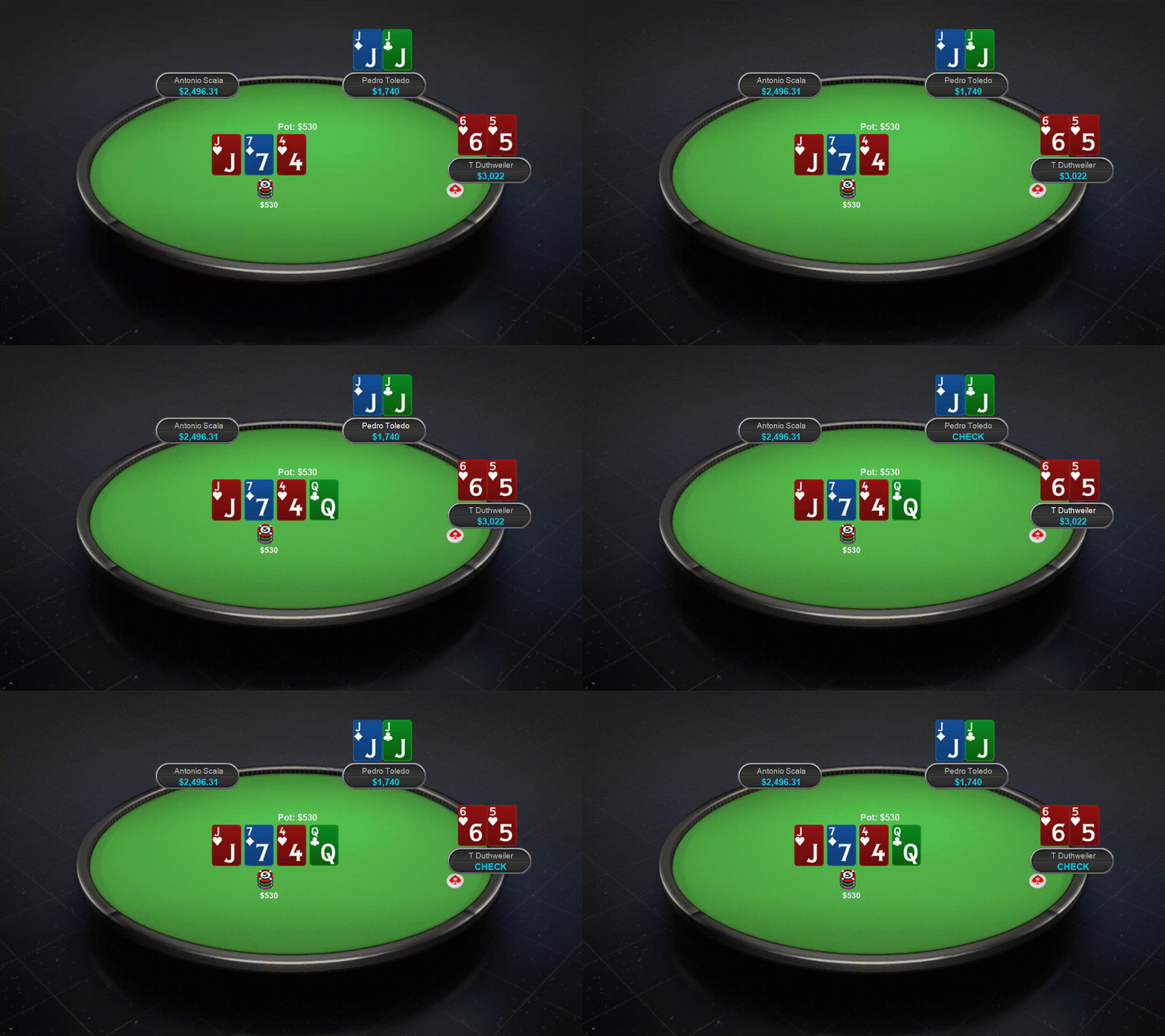
The hand continues, and the turn is the Qc.
Now, finally, we will see some money being put into the pot, right??
Not really. Once again, despite their strong, high equity hands, both of these high stakes players decided that checking was the best play. Were they right?
If you read this far, you know they were. In fact, JJ is supposed to check 75% of the time on the turn, and 6h5h is a pure check in Tobias’ shoes.
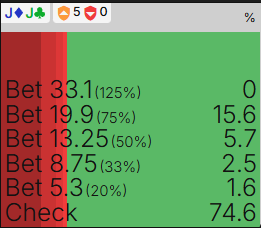
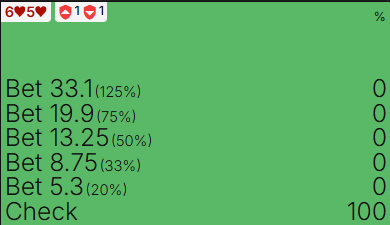
So what is this? Magic? Sorcery? How could they know this?
Well, the check with JJ is easy to understand. The same pillar of GTO from the flop applies here – you need to slowplay some of your strongest hands to be balanced. Your range contains a lot of middling hands like 88, 99, TT, 7x. If you only check these middling hands and never check a very strong hand like JJ, your opponent could take a mediocre hand like a J himself and start going for stacks. If you allow this to happen, then all of a sudden the EV of all your middling hands (88, 99, TT, 7x) has gone to zero.
That’s the fundamental understanding you need to reach for why the #1 Pillar of GTO – Slowplaying Top of Range exists. Your middling strength hands need company. Without the company of very strong hands, your middling hands can simply be destroyed. This simple understanding allows you to get very good at slowplaying in many different circumstances, because you understand the purpose. In a spot where you have tons of middling hands and few nutted hands, what is going to happen? You have to slowplay all the time. That’s why we check entire range in the next street after check-calling a bet on the current one. You have lots of hands that need company, and that company is scarce in your range. You need to do it all the time.
In contrast, if you don’t have middling hands in your range, there is usually no reason to slowplay. If you barrel a polarized range and get to the river with nuts and bluffs, there is nothing your opponent can do to exploit a capped checking range. He basically only has bluffcatchers that can’t threaten you with overbluffs, and you don’t have any middling hands desperate to get to showdown. You just always fast play your nuts every time.
Once you understand this, then the only piece of theoretical knowledge you need extra to follow this pillar of GTO is to be able to do proper combo selection of these slowplays. For instance, on the turn here, QQ, JJ and J7s slowplay a lot, while 77, Q4s and QJ never do. Why is that?
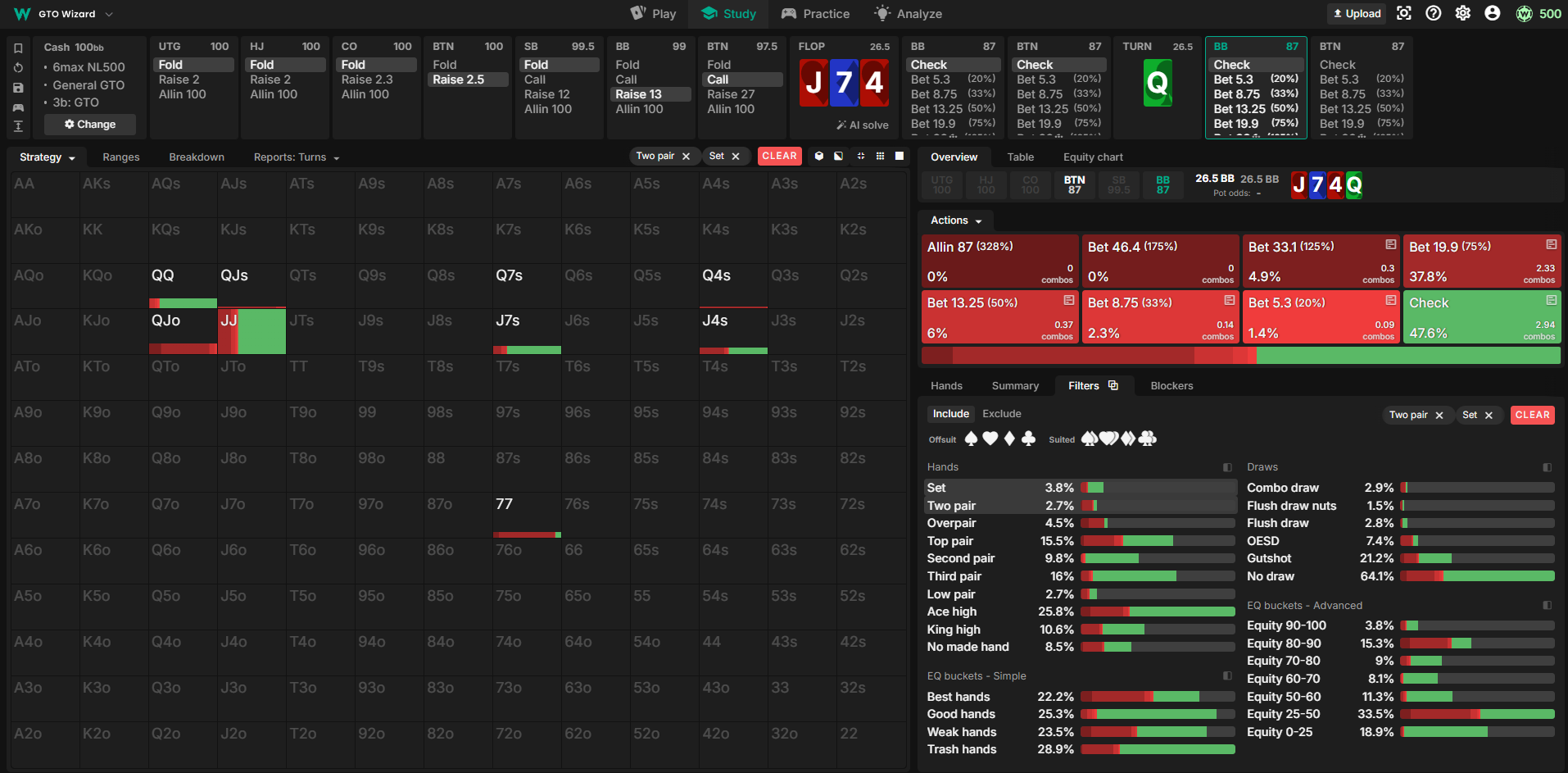
Combo selection in GTO poker is almost always a function of blocker effects. You need to balance your range in a given way – slowplaying top of range, mixing it up with draws, barreling some air. Cool, you established the macro objective. The actual implementation of these objectives requires choosing which exact nutted hands you will slowplay, which exact draws you will mix it up with, and which exact airs you will barrel. The answer to which exact combinations you should use here or there comes from their blocker properties.
When slowplaying top of range, you want to look for 2 different blocker properties:
Blockers to opponent check back range
Blockers to opponent calling range
If you make it less likely that your opponent will call, fastplaying loses value – so you check more. If you make it less likely that your opponent will check if you check, slowplaying gains value – so you check more.
That’s why JJ, QQ and J7s slowplay a lot. They either block way too many calls (by blocking a Q or J) or block a lot of check backs (by blocking a J or 7).
The fastplaying value hands are simply the opposite of this. These will be value hands that have positive blocker effects towards fastplaying, or negative blocker effects towards slowplaying. So, if you want to fastplay, you need to look out for:
Blockers to opponent reopening range
Unblockers to opponent calling range
If you make it more likely that your opponent will call if you bet (because you completely unblock the calling range), then fastplaying gains value – so you should bet more. If you make it less likely that your opponent will bet if you check, then slowplaying loses value – so you should bet more.
That’s why 77, Q4s and QJ fastplay. 77 completely unblocks calling range, Q4s unblocks calling range with one of the cards and QJ blocks reopen range (Qx). So they just fast play.
QJ in particular here has mixed blocker properties – it blocks calls, it blocks some checks, but it blocks reopens. When that happens other factors may come into play, like the vulnerability of your hand and its capacity to check-raise.
So this covers the check from JJ. It blocks some calls and blocks check backs, so it’s a perfect hand to slowplay. Now what about the check with 6h5h?
Honestly, this one I can’t really understand. The fact that it’s a pure check on the turn is crazy to me. A mixed strategy bet/check would seem reasonable, but pure checking feels extreme. When solver does this with a high equity hand, it’s usually a function of extremely poor blockers, where despite having equity you still block a lot of your opponent’s folding range. But that’s not the case here, since OOP doesn’t have any offsuit hands with a 6h or 5h, and heart combinations are either not present in OOP’s range (because they bet themselves) or they will continue facing a bet. So this pure check will remain a mystery to me, unless someone can help out and reply to this email with the actual reason.
The hand continues.
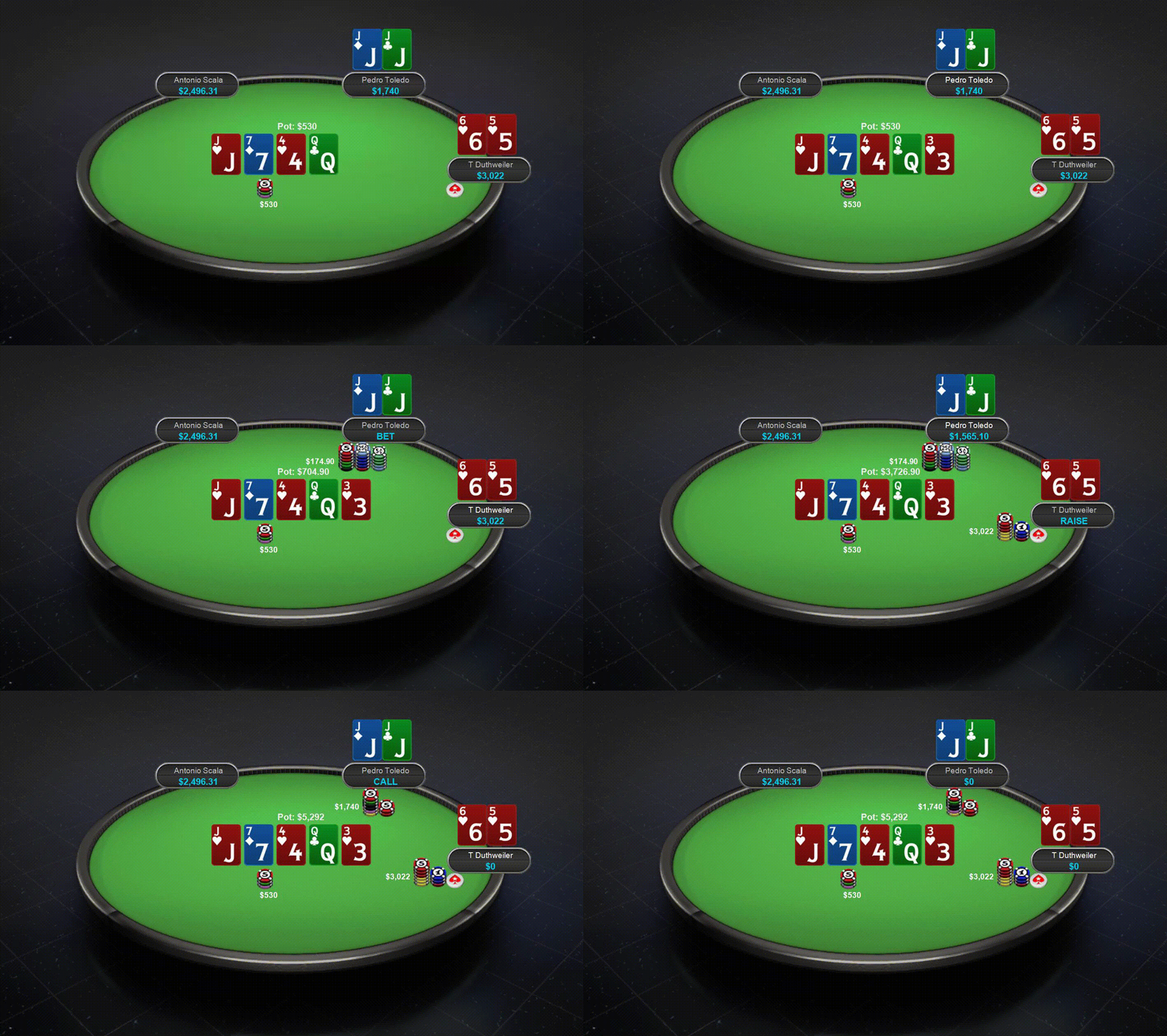
The river comes the 3h and finally they decided to put money into the pot.

Pedro Toledo decides to block bet with his JJ.
This bet sizing choice is very interesting. The action has gone check-check flop and check-check turn. JJ has 92% equity in this line. Flushes are only 6% of BTN’s range. So why size down here? Surely we are not afraid of flushes. We also unblock Qx and there are no more streets to play, so we can’t rely on delaying aggression. So what’s the idea here?
When a very high equity hand sizes down, the immediate logic that most people apply is that “it’s getting called more often”. I’m sure you have come across this type of thinking, and may have used it yourself occasionally when justifying sizing smaller with a value bet.
I won’t say that this logic is never correct or valid. There are in fact situations where it makes sense to pick a smaller bet sizing to target a weaker region of the opponent’s bluffcatchers. However, this type of thinking often misses the obvious fact that getting called more often doesn’t necessarily translate to more profit, simply because you are profiting a smaller amount every time you get called. If you get called half of the time for a pot sizing, you just profited half of the pot. If you get called 100% of the time for a 1/3 pot bet, you get – guess what – a 1/3 of the pot in profits. You are losing value despite getting called twice as much.
The actual, correct, main logic behind sizing down with nutted hands is to get value from the bluffs.
When you size up, you are signaling to your opponent you have a strong hand. Against your value range, your opponent only has a small number of hands that could raise for value. If their value region is small, they don’t need many bluffs. You get raised infrequently, and when you bet, your opponent mostly folds weak bluffcatchers and potential bluffs.
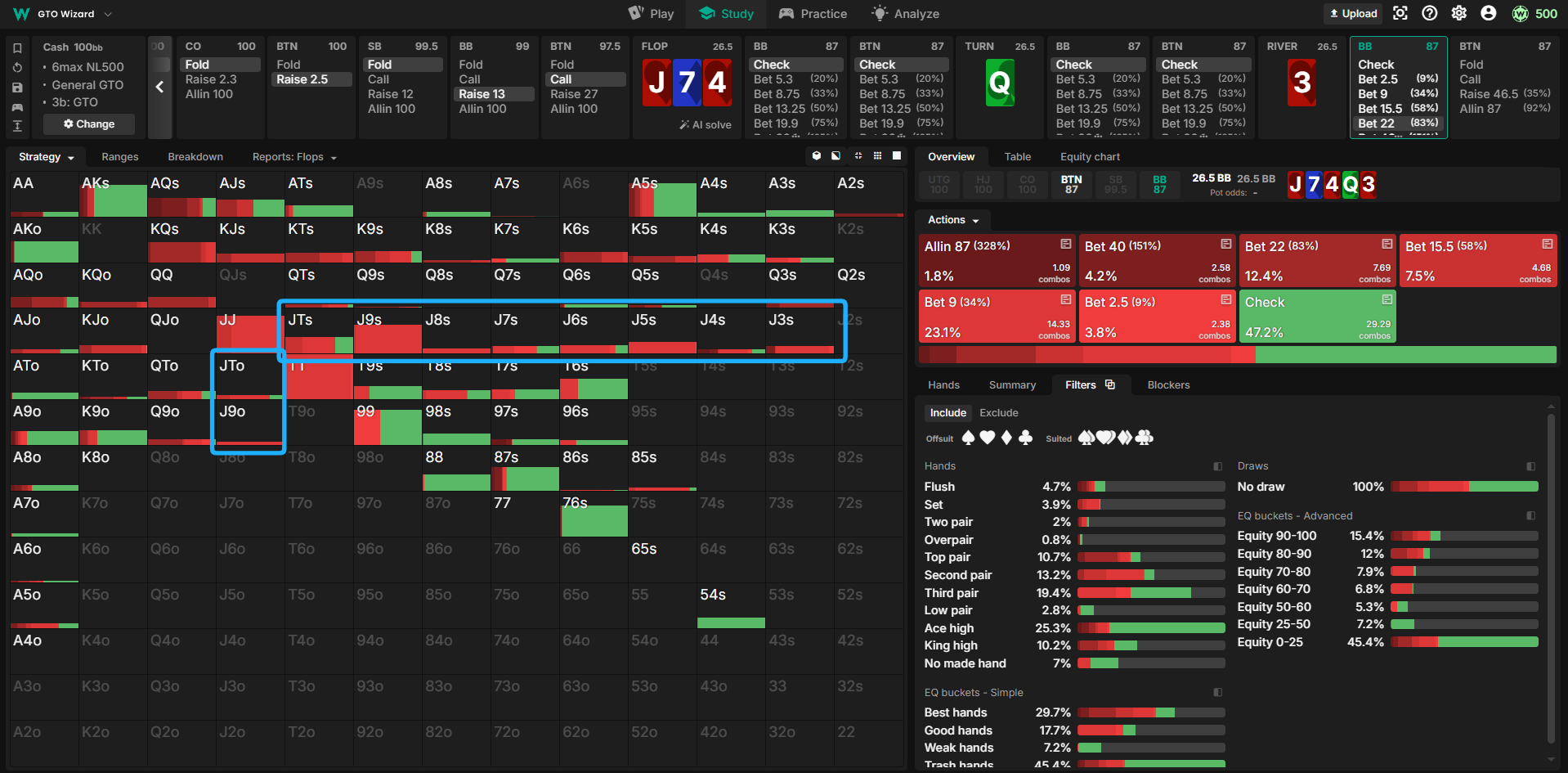
When you size down, however, you are signaling to your opponent you have a middling strength hand. In fact, the small bet sizing chosen by Pedro Toledo on that runout is mainly constructed around Jx combinations and TT:
Against this small bet from mainly Jx and TT, the IP player now has a lot of incentive to raise thinner for value. Against this size, IP starts raising Qx combos, putting 33 blinds into the pot with AQ and KQ. That’s more than what you would bet yourself if you decided to bet larger, since a 3/4 pot bet would be less than 20 blinds. But that’s not where the biggest gain comes from.
Now that IP is raising KQ+ for value, it needs to balance that range with bluffs. Since the value range is wider, IP will include more bluffs in their range composition. This leads to IP bluff raising a lot of weak hands such as 54s, A4s and A7s.
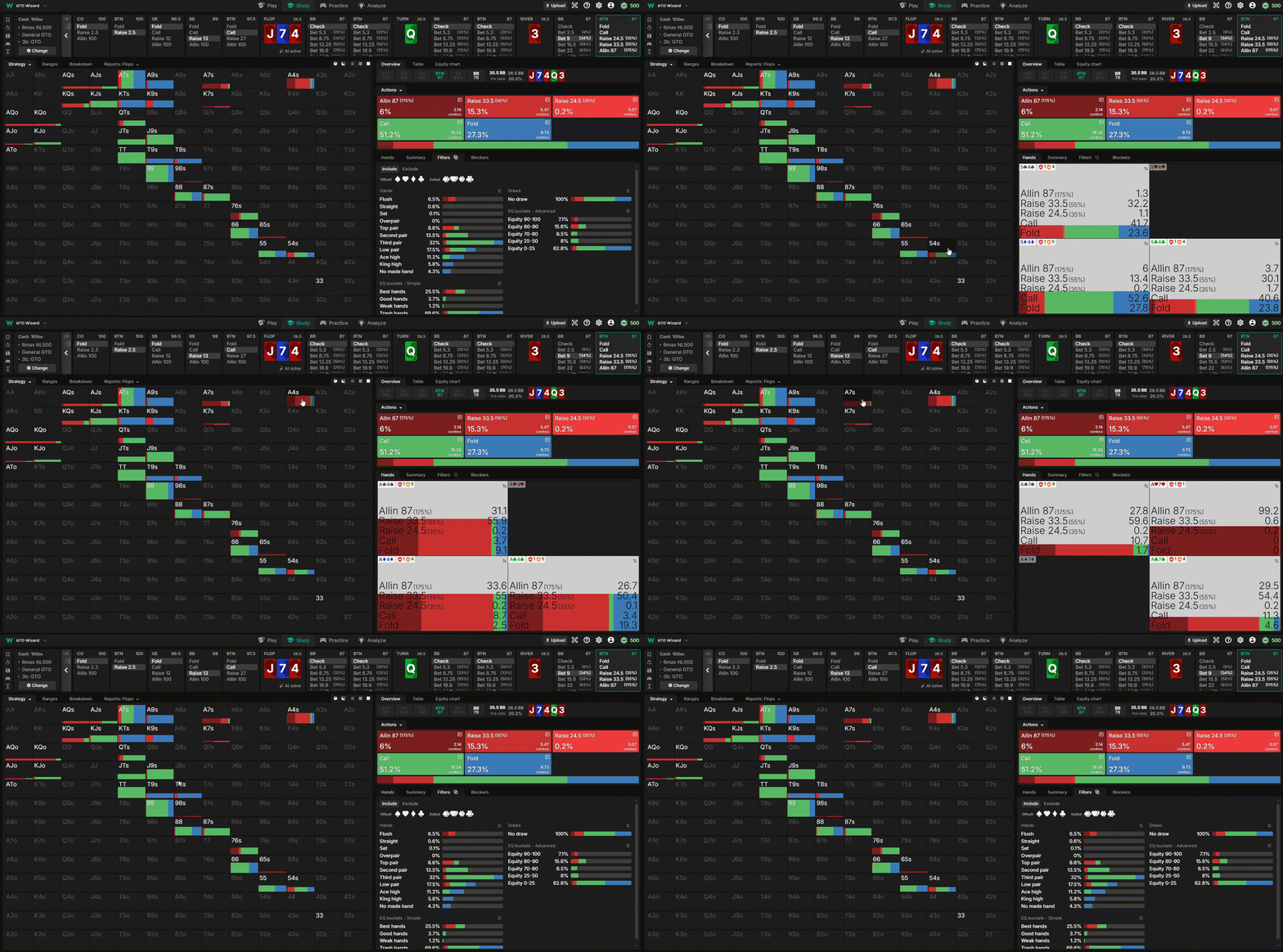
These hands would just call or fold a bigger bet, but now they’re being forced to put 33 blinds or even the full stack in, all because you threatened the IP player with too many middling strength hands trying to scoop the pot for cheap.
The main logic you should learn here is that if your range contains lots of middling strength hands that want to size down, this naturally creates a dynamic where your opponent will raise thin for value and add a bunch of bluffs. When he does that, naturally some strong hands in your range will maximize as small bets, as they can take all of this value from the raises – especially considering these same hands would not raise if you decided to bet larger.
To choose which value hands go into the small bet size, again you need to think about blocker effects.
For your strong hand to maximize value as a small bet, it needs to, above all else, unblock the raising range. If the idea of the size down is to get value from the hands that raise, then obviously you don’t want to block that region.
For this reason, while JJ goes most of the time in the small size, QQ never does:
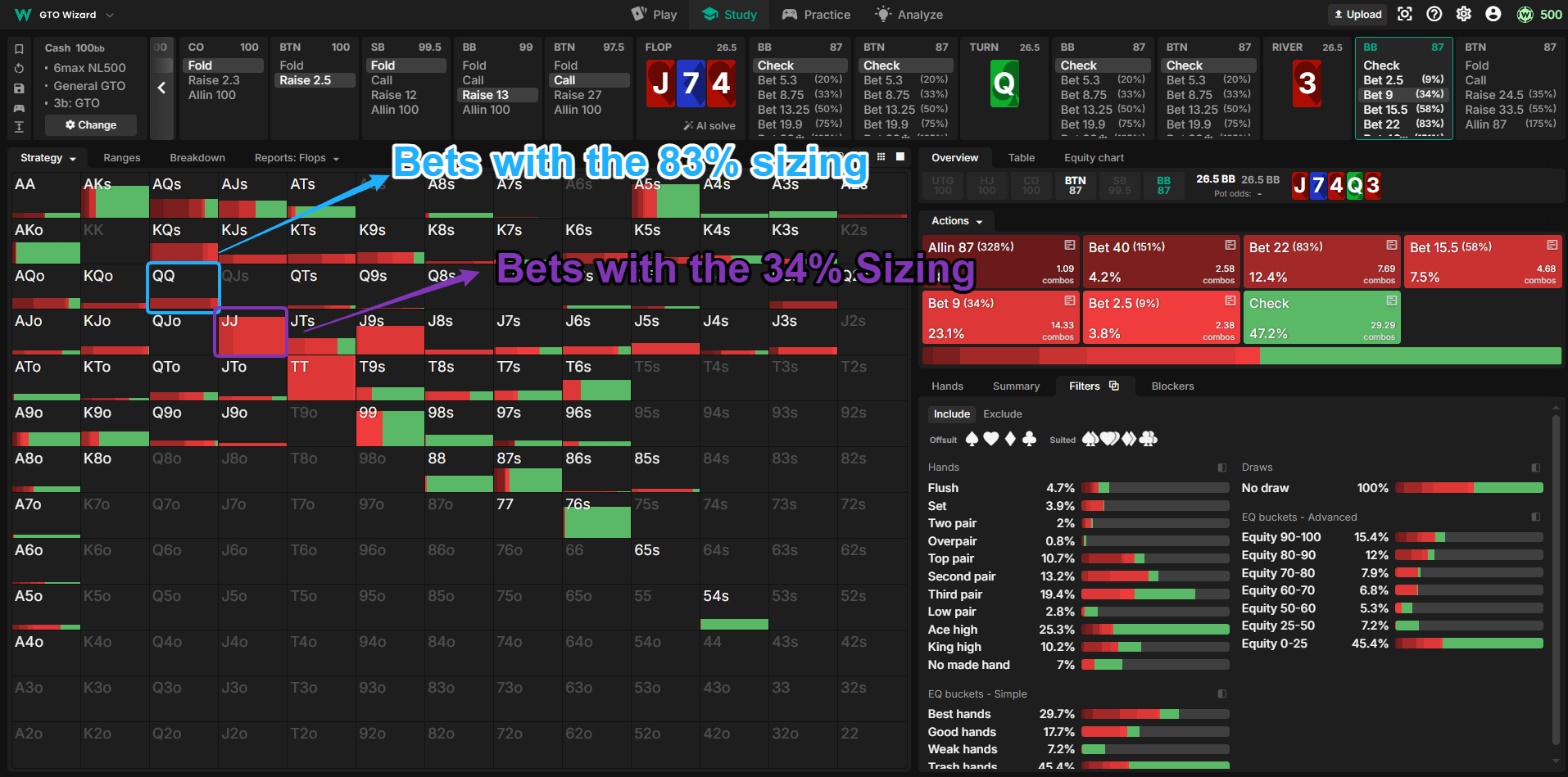
The small bet gains value from Qx combos that raise + bluffs. With QQ, you block those KQ and AQ combos that would raise vs a small bet, so instead you size up yourself.
With JJ and QQ you also have one additional effect, which is the blocker to the calling range when sizing up. 30% of the calling range against the 83% sizing is composed of Jx combinations, while only 18% is composed of Qx combos:
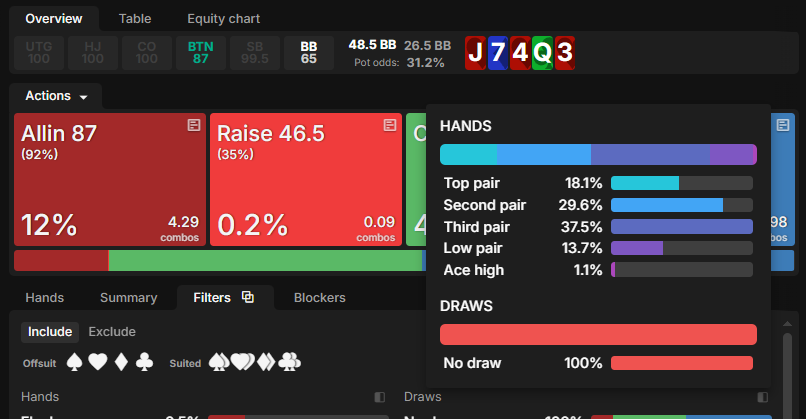
So, when sizing up, JJ blocks a significant portion of the calling range, while QQ blocks way less. If JJ blocks the calling range when sizing up and unblocks the raising range when sizing down, and QQ blocks the raising range when sizing down and unblocks most of the calling range when sizing up, you should bet small with JJ and bigger with QQ.
Pedro Toledo recognized these nuances and played his hand perfectly.
Faced with a small bet and holding a 98.5% equity hand, Tobias now had an easy decision: to put it all in.
It doesn’t feel amazing to face an all in shove there holding JJ on the river. Your opponent is unlikely to use such a big raise size (the equivalent of a 175% overbet at this SPR) with less than a flush, therefore you have a pure bluffcatcher – you can only beat bluffs. If that’s the case then your hand is likely to be very close to 0 EV, if your opponent is balanced.
That being said, despite the call being very marginal or even breakeven, it’s a call you have to make against a competent player. Given that your block bet range is constructed around Jx combinations and JJ for balance, if you fold JJ then you will be massively overfolding and your strategy is significantly exploitable. So solver mostly calls JJ facing a jam:
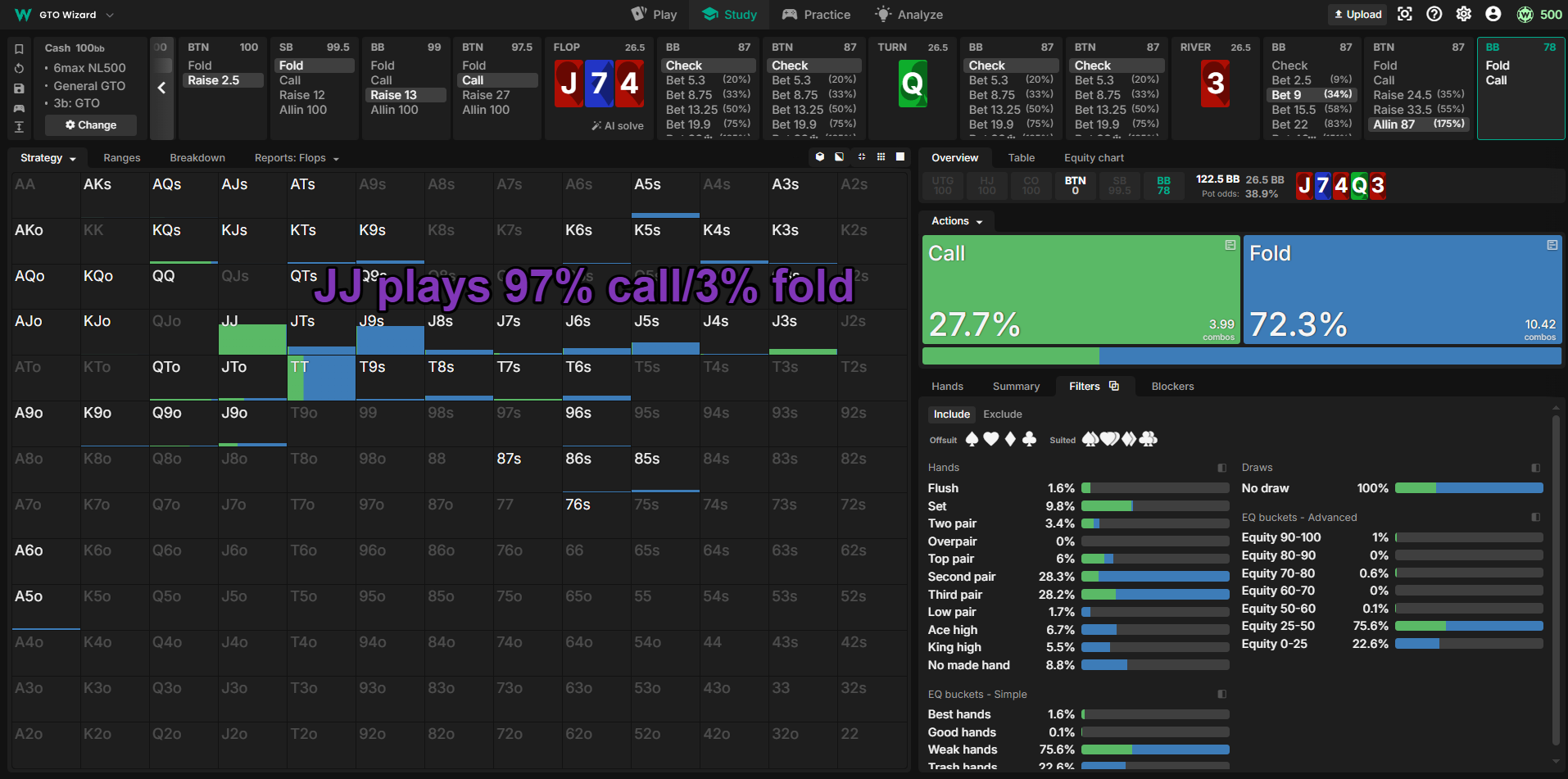
This highlights an important concept people refers to as “calling off the top of our range”. Despite being an overused theory concept, often times used to justify bad calls against underbluffed ranges, against very competent players it’s definitely a concept worth considering. Tobias is one of the strongest players in the world, so if there is anyone capable of finding enough bluffs in a spot like this, he will be on that list. If that’s the case, if there is a real threat that he can find enough bluffs here, then to figure out which hands in your range must be called you can definitely use the process of picturing the top of your range, and estimating what’s the percentage it makes of your total range. If the so called “top of your range” represents a smaller amount of your total range than your minimum defense frequency, then you will be forced to always call off that top, and possibly some more hands (which is the case here – look at how ThTx is calling as well, alongside JTo, QTo, and other combos).
With this hand, we can see how the best in the world are achieving extremely high level play in poker. This is very inspiring, as this game can seem extremely complex and difficult to navigate at times. But this hand shows that with a lot of dedication, hard work, and the proper framework for thinking and developing strategies, a serious player can achieve levels of precision that would be considered impossible years ago. If they can do this, you can do it too.
Enjoyed this post? If so, I would love if you could help me out and answer a quick survey. I want to get to know the audience that reads this newsletter a bit more, so that I can produce the most relevant content. So please, show me some appreciation and answer the survey. It won’t take more than 3 minutes: Answer Survey
Thanks for reading. See you next time.
In the meantime – don’t play the game. Play the Metagame.
Saulo Costa